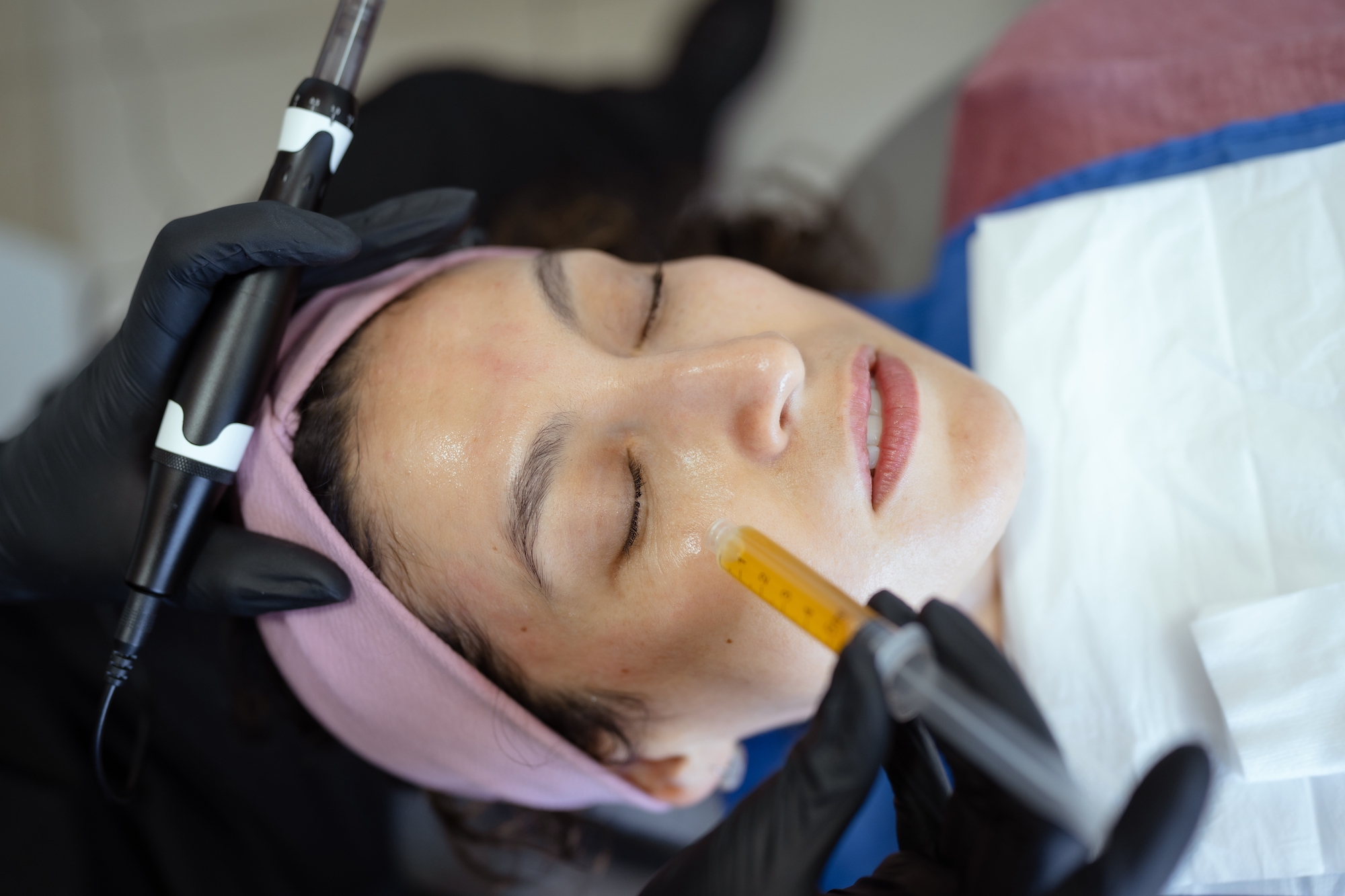
Microneedling is an aesthetic treatment that uses tiny needles to create microchannels in the skin, stimulating collagen and elastin synthesis through the healing process. Microneedling supports skin rejuvenation, texture, tone, and youthfulness, which helps reduce the appearance of fine lines, wrinkles, and other signs of aging.
If you have ever had a microneedling treatment, you are familiar with the redness, sensitivity, and inflammation that are consistent with the post-treatment healing process. The healing process can last anywhere from a couple of days to around a week or slightly longer. There are many different factors that influence the healing process and your results–which vary from person to person. Some of which, your esthetician will likely discuss you. There are also a number of nutritional and lifestyle strategies you can implement before and after your treatment to support a faster healing process and enhanced results.
Skin health and the results of the microneedling process are more than a skin-deep, they rely on our internal health and are directly influenced by what we eat and how we live. These holistic strategies support the root mechanisms of action, of how microneedling transforms the skin, helping you support your body internally to see better results externally.
Around the time of your treatment, and especially afterwards, consuming collagen-rich foods and supplemental forms of collagen can be very useful. Endogenous collagen production progressively decreases from around age 30 onward. It is very important to consume collagen-rich foods to support access to this protein in the body. As discussed earlier, microneedling creates tiny microchannels–or microinjuries–in the skin, reaching down to the dermis, where collagen and elastin are abundant. These microchannels trigger the body’s wound healing response, and through this, collagen deposition and reformation are triggered, along with growth factors. Consume collagen through eating fish with the skin on and plenty of concentrated bone broths. You may also choose to supplement with collagen.
In order for your collagen consumption to go to use, it is important to also consume Vitamin C rich foods. Vitamin C is required for collagen synthesis–for collagen to be utilized in the body– and will also support inflammation reduction (e.g. reduced redness, swelling, and heat) of the skin. Consume Vitamin C rich-foods like kiwi, citrus fruits, bell peppers, cherries, strawberries, and more. You may also choose to supplement with Vitamin C.
Antioxidants and Omega-3s will help reduce inflammation and support a more robust healing response, supporting a reduction in downtime. Consume berries, wild caught fish, and plenty of boiled, braised, or blanched colorful vegetables.
The trace mineral zinc is particularly important for post-treatment care, as zinc plays key roles in rapidly dividing cells. It is necessary for cell replication and function, and helps protect cell membranes. It is also required for immune cell production and maturation. Two of many markers of deficiency in zinc include poor wound healing and impaired immune function. Since microneedling creates microwounds in the skin, and the immune system is responsible for deescalating the inflammation and initiating wound healing, zinc is an important nutrient to consume post-microneedling treatment.

An excellent source of zinc are oysters. Consume oysters and other shellfish, like crab, for a boost in zinc. Beef also provides zinc, as well as liver. It is important to be mindful of supplementation, as zinc has a complex relationship with copper and iron in the body, and an excess of one nutrient can cause deficiency in another. Additionally, supplementing with zinc can lead to toxicity risks. Play it safe and enjoy fresh, raw oysters instead.
Lastly, it is incredibly important to hydrate and maintain electrolyte balance pre- and post-microneedling treatment. Collagen remodeling, which is what is occurring in the skin via microneedling, requires water. Hydration influences the rate and structure of collagen remodeling, which means, to have a very effective outcome from your microneedling experience, consuming adequate amounts of water is highly recommended.
Just as it is important to prioritize certain nutrients and foods to support better results from a microneedling treatment, it is equally important to avoid certain foods for this same reason. Alcohol and excess caffeine–especially caffeine from too many coffees–will significantly dehydrate your body and deprive your body of critical nutrients.
Additionally, highly processed foods and refined carbohydrates, sugary foods, and sugary drinks will incite inflammation, keeping your body and skin in an inflamed state, which will not support the healing process. High carbohydrate and sugary foods and drinks also destroy and accelerate the break-down of collagen in the skin through the glycation process. This results in collagen fibers becoming stiff and brittle, reduced skin elasticity, and an interference in collagen remodeling or repair.
These foods also break-down collagen through their ability to perpetuate inflammation, while also depleting antioxidants like Vitamin C.
Consuming whole foods and plenty of water prior to and after a microneedling treatment can help support enhanced results and reduce down-time while increasing recovery. Focusing on consuming collagen-rich foods, vitamin C and other antioxidants, Omega-3 fatty acids, zinc, and ensuring proper hydration will go a long way post-treatment. It is equally important to avoid dehydrating and inflammatory beverages like alcohol and sugary drinks, excess caffeine that will dehydrate and deplete your body of vital nutrients, and high carbohydrate and sugary foods. Remember, high carbohydrate and sugary foods and drinks perpetuate the collagen break-down process and make it much more difficult for your body to maximize your microneedling results.


